


Lisa Passmore | Executive Officer Greenlife Industry WA
Imagine stepping into your garden or onto your balcony to pick fresh herbs for an aromatic, uplifting cup of tea. The flavours of freshly picked herbs are a world away from packaged supermarket tea bags, and it’s surprisingly easy to do.
Growing your own herbal teas connects you to the seasons (different herbs flourish at different times of year), has a wonderfully small footprint (zero freight, no packaging, and spent leaves go straight into the compost), and can be tailored to your needs, whether that’s calming chamomile or uplifting peppermint.
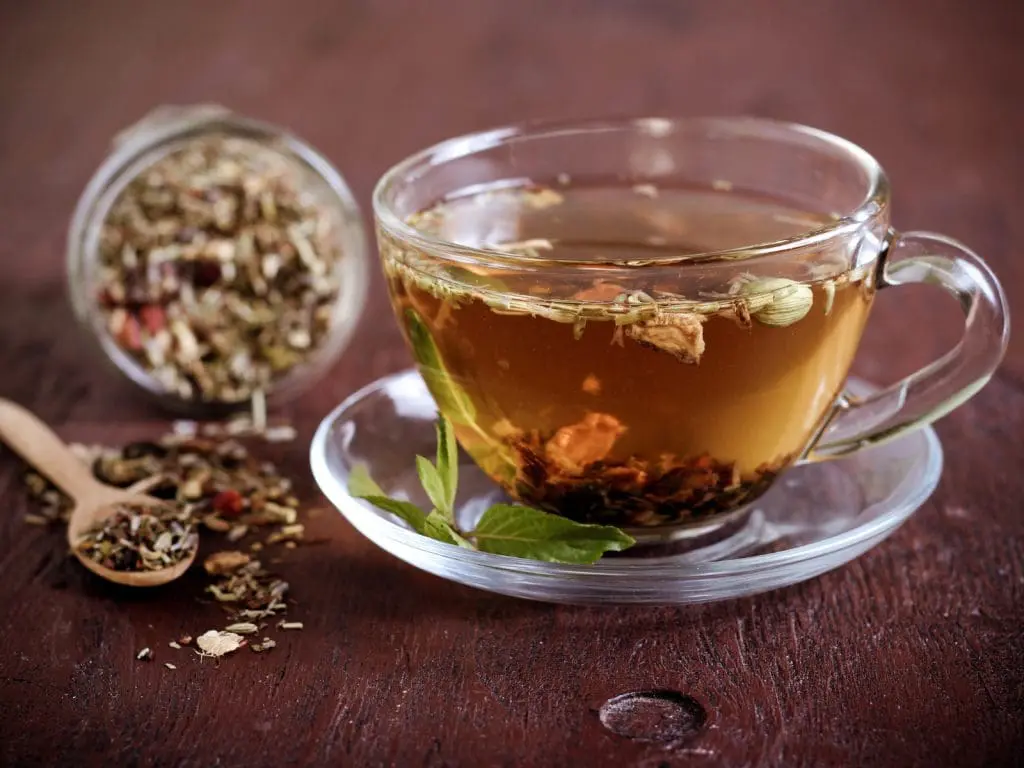
Steep fresh leaves in a teapot or plunger and experiment with combinations. A family favourite: fresh thyme with lemon slices for sore throats or winter colds, finished with a dash of honey. Herbs can be enjoyed fresh or dried for later use.
Getting Started
The herbs suggested below are a great place to start and can be grown either in a pot or a garden bed. For varieties that thrive in your area, visit your local garden centre and chat with one of their horticulturists, who can advise on what grows well locally and offer tips on care.
Mint (Mentha species – peppermint, spearmint, or native river mint): Fast-growing and uplifting, mint blends well with other herbs for a calming, digestive tea. Plant in semi-shade and in its own pot to keep it from taking over.
Lemon Balm (Melissa officinalis): A stress-relieving, citrus-scented herb that thrives in partial shade, with mild, sweet-flavoured leaves.
German Chamomile (Matricaria chamomilla): Harvest the flowers (often dried) for a soothing
evening tea that promotes restful sleep.
Thyme (Thymus vulgaris): Pungent leaves that work best in moderation, blended with other herbs (or fruit.) A low-growing groundcover that suits most garden conditions, sun or shade.
Lemongrass (Cymbopogon citratus): A refreshingly zesty, tea made from the fresh (or dried) stalks or leaves. Crisp and citrusy, with a mild natural sweetness, it’s widely enjoyed to aid digestion and promote relaxation.
Holy Basil / Tulsi (Ocimum tenuiflorum): Prefers a sunny or partially shaded position with plenty of space (it can reach 80 cm x 80 cm). A caffeine-free tea with a rich, earthy flavour and hints of clove, mint, and pepper.
Lemon Myrtle (Backhousia citriodora): An Australian native that grows into a large shrub or small tree, preferring some afternoon shade. Ideal for lemon-scented teas or adding a citrus twist to blends.
Tea Plant (Camellia sinensis): Grows into a large shrub and prefers afternoon shade in acidic, well-amended soil. The source of all traditional black and green teas; it’s the young leaves and leaf buds that are harvested and processed.
Harvesting and Brewing
Pick herbs fresh in the morning once the dew has dried. You’ll need roughly one tablespoon of fresh herbs (or one teaspoon of dried) per cup. Steep for 5 to 10 minutes to draw out the full flavour.
Enjoy!